Ink
Ink


 Machines


 Cartridges


 Studio supplies


 Power & batteries


 Aftercare


 Traditional tattooing


 Apprentice


 Piercing & jewellery


 PMU supplies


 New arrivals
 Sale
Sale
 Gift vouchers
 Shop all


 August 15, 2024
-
1 year ago
August 15, 2024
-
1 year ago
With the rise in popularity of vegan lifestyles, many are turning to vegan tattoo inks as a supposedly safer and more ethical alternative. However, misinformation and myths about these inks abound, leading to confusion and concern. Are vegan tattoo inks truly safer, or is this just a well-marketed myth?
This exploration delves into the benefits, safety, and common misconceptions surrounding vegan tattoo inks, offering clear insights to help you make an informed decision about the ink that will permanently adorn your body.
What is vegan tattoo ink?
Vegan tattoo ink refers to inks made without animal-derived ingredients or byproducts. Traditional tattoo inks may contain animal products like bone char, gelatin from animal hooves, or glycerin from animal fat. Vegan inks avoid these, using plant-based glycerin, carbon, and other non-animal-derived materials instead.
Vegan inks are designed to be more ethical and appeal to those who follow a vegan lifestyle, ensuring their tattoos are free from animal cruelty. Additionally, vegan inks are often marketed as more environmentally friendly and good for people with sensitive skin.
Vegan ink ingredients
Vegan tattoo inks contain various ingredients that do not derive from animal products. These are some typical components you might find in vegan tattoo inks:
- Plant-based glycerin: Used as a stabiliser and moisturiser instead of animal-derived glycerin.
- Carbon or logwood: Common sources for black pigment.
- Vegetable carbon: An alternative to bone char.
- Turmeric: Sometimes used for yellow shades.
- Witch hazel: Acts as a natural astringent and can be used as a substitute for alcohol.
- Ethanol: Derived from grains, used as a solvent.
- Distilled water: Used as a solvent and diluent.
- Inorganic pigments: Such as titanium dioxide, used for vibrant colours, are not derived from animals.
- Vegetable dyes: Natural colours derived from fruits, vegetables, and other plants.
Benefits of vegan tattoo inks
Ethical and cruelty-free
Vegan tattoo inks are made without animal products or byproducts, ensuring that no animals are harmed in their production. Vegan inks align with ethical practices concerning animal welfare and appeal to individuals who prioritise cruelty-free products.
Hypoallergenic properties
Many vegan tattoo inks are formulated to be hypoallergenic, minimising the risk of allergic reactions. Vegan inks are safer for individuals with sensitive skin or allergies to animal-derived ingredients commonly found in traditional inks.
Environmental sustainability
The production of vegan tattoo inks often involves more sustainable practices than traditional ones. Using plant-based ingredients can reduce the environmental impact of sourcing animal products, contributing to a smaller ecological footprint.
Inclusivity
Vegan tattoo inks cater to a broader audience, including vegans, certain religious groups who avoid animal products, and environmentally conscious individuals.
Potentially safer ingredients
Vegan inks avoid using animal-derived chemicals and compounds, which can sometimes carry contaminants or cause reactions. By using simpler and more natural ingredients, vegan inks may offer a safer alternative to some conventional inks.
Vibrant and diverse colour range
Advancements in vegan ink technology have allowed for a wide range of vibrant and durable colours that rival traditional tattoo inks. Vegan ink enables artists to create detailed and colourful artwork without compromising on quality or ethical standards.
Debunking myths about vegan inks
Myth: Vegan inks fade faster
Reality: Vegan tattoo inks are formulated to be as durable and long-lasting as traditional inks. Fading depends more on ink quality, placement, aftercare, and sun exposure than on whether the ink is vegan.
Myth: Vegan inks are not as vibrant
Reality: Modern vegan tattoo inks come in a wide range of colours that are just as vibrant and intense as those in traditional inks. The brightness depends on pigment quality, not on the ink’s vegan status.
Myth: Vegan inks are more expensive
Reality: Vegan inks are priced similarly to traditional tattoo inks. Any slight price difference reflects ingredient quality, not just the vegan formulation.
Myth: Vegan inks are less safe
Reality: Vegan inks follow the same safety standards as non-vegan inks and often have fewer additives, reducing allergic reaction risks. Many are also free from heavy metals and toxic substances.
Myth: Limited colour options
Reality: Thanks to advancements in pigment technology, vegan inks now offer a full colour spectrum, allowing artists to create detailed, vivid designs.
Are vegan tattoo inks safer than regular inks?
Vegan tattoo inks can be considered safer for individuals with allergies to animal-derived ingredients. They typically avoid harmful substances like bone char and animal-fat glycerin, reducing the risk of reactions. However, overall safety depends on the brand and adherence to regulations for both vegan and regular inks.
Vegan vs regular tattoo inks
Vegan tattoo inks differ primarily in their ingredient sources, using plant-based alternatives instead of animal products. They appeal to clients seeking cruelty-free and hypoallergenic options. However, both vegan and non-vegan inks can produce vivid, long-lasting results depending on their quality.
Best vegan tattoo ink brands
Radiant Colors Ink
Radiant Colors Ink is a 100% vegan brand renowned for its wide range of vibrant colours, smooth application, and long-lasting results.

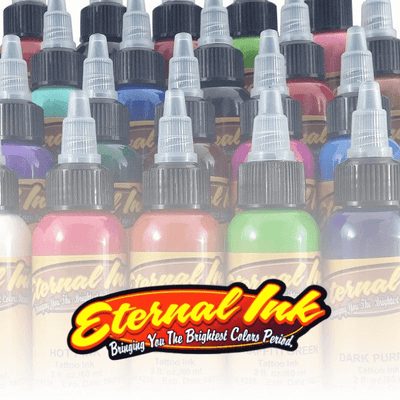
Eternal Ink
Eternal Ink is a top choice among vegan tattoo artists, offering a rich colour range and excellent durability across all tattoo styles.

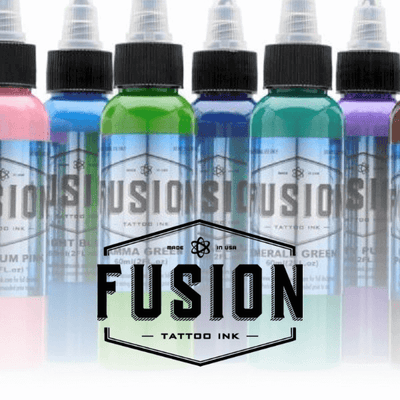
Fusion Ink
Fusion Ink stands out for its 100% vegan formulation and bold pigments that heal bright and true, making it a favourite among professionals.

World Famous Ink
World Famous Ink is globally recognised for its premium vegan inks that deliver consistent, vibrant, and lasting colour quality.

Challenges and limitations of vegan tattoo inks
- Limited availability: Some vegan inks are less widely distributed than traditional brands.
- Higher cost: Plant-based ingredients can raise production costs.
- Variability in quality: As vegan ink options expand, performance consistency may vary across brands.
- Colour range: While improving, certain vegan inks still have limited saturation compared to non-vegan options.
- Learning curve: Artists may need to adjust their technique when switching to vegan inks.
- Regulatory gaps: “Vegan” labelling standards vary, so brand transparency is important.
Final thoughts
Vegan tattoo inks provide a safe, ethical, and high-quality option for artists and clients seeking cruelty-free tattooing solutions. With improved formulas and colour ranges, vegan inks now rival traditional ones in performance and vibrancy. As demand grows, choosing reliable vegan brands helps ensure both artistic excellence and ethical integrity.
Shop product