Ink
Ink


 Machines


 Cartridges


 Studio supplies


 Power & batteries


 Aftercare


 Traditional tattooing


 Apprentice


 Piercing & jewellery


 PMU supplies


 New arrivals
 Sale
Sale
 Gift vouchers
 Shop all


 January 15, 2024
-
1 year ago
January 15, 2024
-
1 year ago
Many aspiring tattoo artists are overwhelmed by the sheer volume of information, choices, and decisions they must make. The road to becoming a skilled tattoo artist can seem daunting, from selecting the right equipment to mastering the essential techniques and ensuring a safe and sterile environment.
In this comprehensive beginner's guide to tattooing, we will address these problems and provide invaluable insights, essential supplies, and practical tips to help you navigate the initial stages of your tattooing career with confidence and clarity.
What is the basic knowledge of tattooing?
Basic knowledge of tattooing encompasses understanding the anatomy of tattoo machines, the various types of tattoo needles, and the importance of sterilisation and hygiene to ensure client safety. It also involves grasping skin anatomy to determine proper tattoo placement and technique and knowing about different tattoo ink types and colour theory.
Tattoo artists should be aware of various tattoo styles and be capable of creating or transferring designs onto the skin. Proficiency in tattooing techniques like lining, shading, and colouring and knowledge of needle depth and pressure for different body areas are essential. Communicating effectively with clients, understanding legal and licensing requirements, and upholding ethical considerations, such as obtaining informed consent, are key aspects of basic tattooing knowledge.
Additionally, ensuring client safety through cross-contamination prevention and adhering to aftercare guidelines is vital. Ongoing learning and staying updated on tattoo industry trends and best practices are crucial for a successful tattooing career.
What do beginner tattoo artists use to practice tattooing?
Beginner tattoo artists often use various methods and materials to practice tattooing before working on real clients. Here are some standard tools and techniques they use:
- Pig skin: Some beginners also use pig skin as a more realistic alternative to synthetic practice skin. Pig skin has a texture similar to human skin, providing a closer experience to tattooing on real flesh.
- Tattoo practice kits: There are tattoo practice kits available for beginners that come with practice skin, tattoo machines, ink, needles, and other essential tools. These kits are designed for learning and honing tattooing skills.
- Grapefruits or other fruits: Some beginners practice fruits like grapefruits to develop their hand-eye coordination and shading techniques. Fruits can be a cost-effective way to get a feel for the tattooing process.
- Tattoo design books: Beginners often study tattoo design books and flash sheets to practice drawing various tattoo designs and styles. This helps them improve their artistic skills and design capabilities.
- Apprenticeships: Many aspiring tattoo artists seek apprenticeships with experienced professionals. During an apprenticeship, they can observe and learn from experienced artists, practice on willing clients under supervision, and gradually gain hands-on experience.
- Synthetic skin: Many beginners start by practising on synthetic tattoo practice skin. These synthetic sheets mimic the texture and feel of human skin, allowing artists to practice their tattooing skills, such as lining, shading, and colour blending.

Essential tattoo supplies for beginners
Starting your own tattooing business indeed requires careful consideration of the necessary supplies, and here's the top tattoo supplies that every beginner artist needs quite comprehensively:
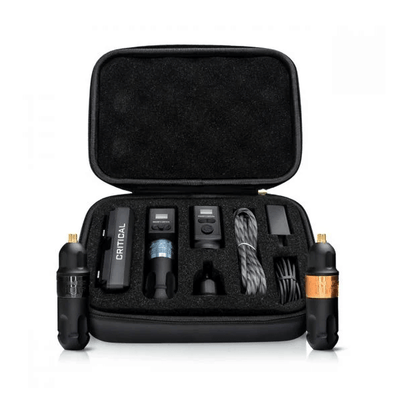
- Tattoo machine: Invest in a quality tattoo machine suitable for beginners. You can choose between coil and rotary machines based on your preference. Look for a machine that's easy to handle and maintain. You can explore our range of tattoo machines to find the perfect fit for your budding tattoo career.
- Tattoo needles: Beginners should have a variety of tattoo needles, including liners, shaders, and magnums, in different sizes. These needles are essential for practising various tattooing techniques and styles.
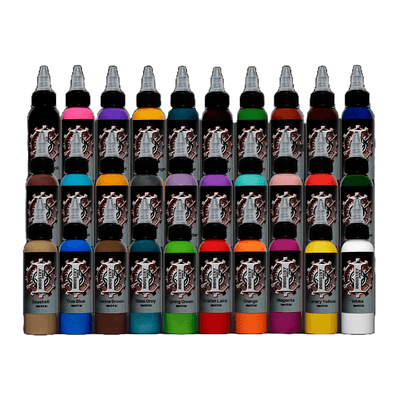
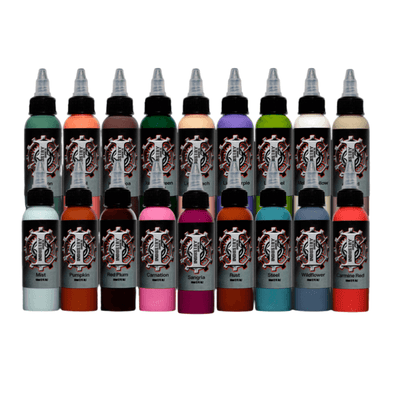
- Tattoo ink: Start with a basic set of tattoo ink colours, preferably from a reputable brand. This will allow you to experiment with different colours and shades while learning to mix and dilute inks. If you want to elevate your tattoo game and create stunning designs, explore our premium selection of tattoo ink products today.
- Practice skin: Synthetic practice skin or pig skin can serve as a canvas for practising tattooing techniques. It helps beginners get a feel for the machine and develop their skills before working on real clients.
- Transfer paper and stencil solution: Transfer paper and stencil solution are essential for accurately transferring designs onto practice skin or clients' skin. This ensures that your outlines are precise and consistent.
- Grips, tubes, and tips: Disposable grips and tubes are convenient for beginners as they are easy to use and maintain. Various tips are also essential to adjust the needle depth and control ink flow effectively.
- Hygiene and sterilisation supplies: Prioritise cleanliness and sterilisation. Disposable gloves, machine covers, surface disinfectants, and sterilisation equipment like autoclaves are vital to maintaining a sterile environment.
- Safety gear: Ensure you have personal protective equipment (PPE), including disposable gloves and aprons, to protect yourself and your clients during tattooing.
- Disposable razors and skin prep products: Prepare the skin by shaving and cleaning it thoroughly before tattooing to ensure a smooth canvas and minimise the risk of infection.
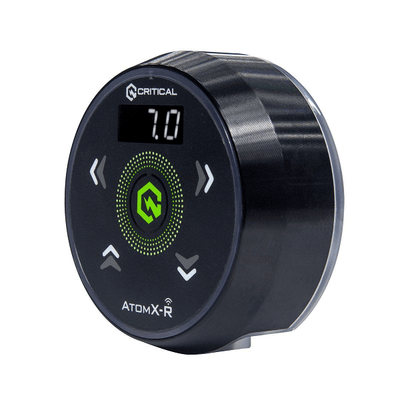
- Power supply: A reliable power supply is necessary for controlling the tattoo machine's speed and power during tattooing. If you are looking for a dependable power supply to enhance your tattooing experience, buy our high-quality power supplies that are designed to provide precise control.
- Ink cups and holders: Use various sizes of ink cups and holders to organise and manage your tattoo inks during tattooing.
- Cleaning supplies: Stock cleaning supplies for maintaining your equipment, including needle-cleaning brushes and tube cleaning kits.
- Reference materials: Bring tattoo design books, reference images, and flash sheets to inspire your designs and practice drawing.
- Aftercare products: Stock basic aftercare products like sterile ointment and adhesive bandages for practice sessions and for advising clients on proper tattoo care. For more aftercare products, you can buy our top-quality tattoo aftercare solutions today and make your tattoos truly stand out.

Essential tattoo tips for beginners
Start with a strong foundation
Before you even think about tattooing on human skin, it's crucial to invest time in learning the basics. Begin by familiarising yourself with the equipment used in tattooing, such as tattoo machines, needles, and inks. Understanding the function and maintenance of these tools is the first step toward becoming a proficient tattoo artist.
Practice, practice, practice
The saying "practice makes perfect" is true in tattooing. To hone your tattoo skills and boost your confidence, practice on synthetic or pig skin. These materials replicate the texture and feel of real human skin, providing a safe and forgiving canvas for experimentation.
Seek guidance
Tattooing is an art best learned through hands-on experience and mentorship. Consider working as an apprentice under the guidance of an experienced tattoo artist. An apprenticeship allows you to gain practical knowledge, observe experienced professionals, and receive valuable mentorship.
Master the basics
Tattooing encompasses various techniques, but as a beginner, it's essential to focus on mastering the tattoo basics. Concentrate on honing your lining, shading, and colouring skills. These fundamental techniques form the core of your tattooing repertoire and will serve as a solid platform for exploring and experimenting with more complex styles and designs.
Choose quality equipment
The foundation of every tattoo artist's work is their equipment. Invest in reputable tattoo machines, needles, and inks. Quality equipment ensures the comfort of your clients and the production of high-quality tattoos. Your choice of equipment directly influences the precision and longevity of your artwork.
Practice on different skin types
The human canvas varies widely in skin texture and thickness. As a beginner, it's vital to experiment on various skin types to understand how your techniques may vary. This experience will help you develop versatility and confidence in your work.
Use stencils
Precision is key in tattooing. Always use stencils to create or apply designs. Stencils ensure accurate and consistent outlines, preventing mistakes and ensuring quality results.
Communicate clearly
Effective communication is the cornerstone of a successful tattooing experience. Have open consultations with your clients to understand their preferences and set realistic expectations. Building trust through clear communication ensures a positive tattoo experience.
Prioritise aftercare
A well-executed tattoo is just the beginning. Educate your clients about proper aftercare to ensure their tattoos heal well and maintain vibrancy. Clear aftercare instructions prevent complications and keep tattoos looking their best.
Stay informed
The tattoo industry is dynamic and ever-evolving. Stay updated on trends, attend conventions, and network with fellow artists. Continuous learning helps you grow your craft and offer innovative designs to clients.
Build a portfolio
Document your work and create a professional portfolio showcasing your skills and versatility. A strong portfolio attracts clients and opportunities while displaying your artistic growth.
Legal and licensing requirements
Tattooing is a regulated profession in most regions. Ensure compliance with local and national licensing regulations to maintain a legitimate practice.
Practice good self-care
Tattooing can be physically and mentally demanding. Prioritise self-care to maintain focus and creativity—rest, eat well, and manage stress effectively for consistent, high-quality work.

Beginner's guide to tattooing conclusion
Starting your journey as a tattoo artist is an exciting endeavour that requires dedication and continuous learning. By acquiring essential tattoo supplies and following these valuable tips, you can build a strong foundation and set yourself on the path to becoming a skilled and respected tattoo artist. Remember that tattooing is both an art and a craft, and with perseverance and dedication, you can create beautiful and meaningful tattoos for your clients.
Shop product