Ink
Ink


 Machines


 Cartridges


 Studio supplies


 Power & batteries


 Aftercare


 Traditional tattooing


 Apprentice


 Piercing & jewellery


 PMU supplies


 New arrivals
 Sale
Sale
 Gift vouchers
 Shop all


 December 17, 2023
-
1 year ago
December 17, 2023
-
1 year ago
Are you an aspiring tattoo artist looking to break into the competitive world of ink and needles? In a field where creativity and originality are paramount, one of the first challenges you'll encounter is crafting a tattoo portfolio that truly stands out.
Your tattoo portfolio is not just a collection of images; it's your ticket to securing a tattoo apprenticeship or landing a spot in a reputable tattoo shop. But the question is, how can you ensure your portfolio captures attention amidst the sea of tattoo artists vying for the spotlight?
In this article, we'll delve into how to create a standout portfolio and provide you with tips you need to rise above the competition and make a lasting impression in the tattoo industry.
What is a tattoo portfolio?
A tattoo portfolio is a carefully curated collection of an aspiring tattoo artist's artwork and designs. It is a visual representation of their skills, creativity, and tattoo style. Typically, a tattoo portfolio includes a variety of drawings, sketches, and finished tattoo designs that showcase the artist's versatility and range.
It is a vital tool for demonstrating professionalism, dedication, and artistic talent in the competitive field of tattoo artistry. Keeping the tattoo portfolio up to date is essential as it reflects the artist's growth and readiness for opportunities in the industry.

Why do you need a tattoo portfolio?
- Impress potential mentors/employers: A portfolio showcases your skills and artistic abilities to impress potential mentors or employers in the tattoo industry.
- Visual representation: It provides a visual representation of your style, creative ideas, and range as a tattoo artist.
- First impression: Often, it's the first thing mentors or employers will see, making it essential for making a strong initial impression.
- Demonstrates professionalism: A well-organised portfolio conveys professionalism and a commitment to the craft.
- Versatility: It allows you to display various styles, techniques, and subject matter, demonstrating your versatility as an artist.
- Track progress: Keeping it up to date helps track your growth and development as an artist.
- Networking: This can be used for networking, sharing work online, and attracting potential clients or collaboration opportunities.
- Persistence: Ensures you are prepared to seize opportunities as they arise, even if you don't get the first apprenticeship you apply for.
How to create a tattoo portfolio
1. Emphasise your creative and original concept ideas
To set your portfolio apart, focus on developing unique and imaginative tattoo concepts. Show potential mentors and clients that you can think outside the box and bring fresh ideas to the table. Whether it's reinterpreting traditional themes or creating entirely novel designs, emphasise your ability to generate original and captivating tattoo ideas that resonate with clients.
2. Display your drawing skills prominently
Drawing is the foundation of tattoo artistry, so make sure to prominently showcase your drawing skills in your portfolio. Include detailed sketches, line work, and illustrations that highlight your artistic talent. This demonstrates your ability to translate ideas onto paper and your precision and craftsmanship.
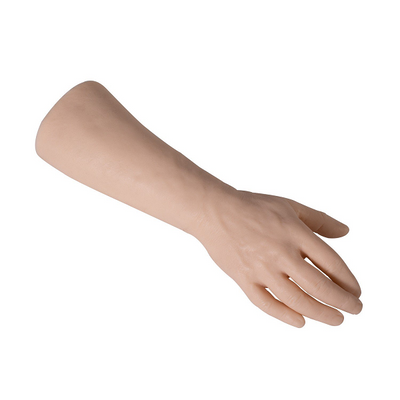
If you're looking for a practical way to enhance your drawing skills, consider using Reelskin Tattoo Practice Skin for a lifelike texture to refine your techniques. To practice on darker skin tones, try Reelskin Tattoo Practice Skin - Darker Tone.

3. Incorporate a diverse range of tattoo styles
Diversify your portfolio by incorporating various tattoo styles. Include examples of traditional, realism, black and grey, watercolour, and other popular styles. Demonstrating versatility and proficiency in multiple styles illustrates your adaptability as an artist, making you appealing to a broader clientele.
4. Highlight 50-100 of your finest tattoo designs
Quality matters more than quantity. Select your absolute best work to feature in your portfolio. Aim for a diverse selection that showcases different styles, sizes, and subject matter. Limiting your portfolio to your top 50-100 pieces ensures every design represents your skills and creativity.
5. Use high-quality materials
The presentation of your portfolio matters. Invest in high-quality materials, whether paper for prints or a digital platform. Professional presentation demonstrates your commitment to excellence.
6. Show passion and commitment
Highlight your dedication by including relevant certifications, apprenticeships, or training. Showcase your enthusiasm and commitment to ongoing learning and improvement. Passion and dedication can set you apart in the tattoo industry.
7. Keep both an online website and a physical portfolio
In today's digital age, maintain both an online and a physical portfolio. An online website reaches a wider audience, while a physical portfolio is essential for in-person meetings, interviews, and tattoo conventions. Both showcase your adaptability and accessibility as an artist.
Proven tips for organising your tattoo portfolio
Build a page showcasing your tattoo collection
- Create a dedicated section or page in your portfolio to showcase your tattoo collection.
Organise your tattoos based on their styles
- Categorise your designs based on different styles for easy navigation.
Add an about section
- Include a brief biography and background information. Share your journey, influences, and passion for tattooing to connect with viewers.
Include flash pages
- Showcase flash art (pre-designed tattoo templates) organised by style or theme. This demonstrates readiness to work with clients on various ideas.
Establish a contact page
- Create a "Contact" page with clear details (phone, email, form) for collaborators and clients to reach you easily.
Connect your social media profiles with your portfolio
- Link Instagram, Facebook, TikTok, or other profiles to your portfolio. This showcases your latest work and artistic process while aiding networking.
Regularly update your portfolio
- Keep your portfolio current with your latest tattoo work and flash art, showing that you are active and committed.

Where should you make your tattoo portfolio accessible?
Make your portfolio accessible through multiple channels: personal website or portfolio site, social media platforms, online tattoo communities and forums, tattoo conventions and events, tattoo shop websites, online portfolio platforms, and printed physical portfolios for in-person interactions. Include portfolio links in your email signature, on business cards, and in online directories for tattoo artists to maximise your reach.
Can your tattoo portfolio be all digital?
Yes. A digital portfolio is increasingly common and advantageous. It offers easy accessibility, allows detailed viewing, and can be quickly updated to reflect your latest work. While physical portfolios remain valuable for in-person interactions, digital portfolios enable you to reach a wider audience and make a lasting impression.
Start creating your strong tattoo portfolio
Becoming a distinguished tattoo artist begins with an exceptional portfolio. Embrace originality, showcase your skills, and organise your work effectively. Your portfolio is your canvas—paint your way into the tattoo industry's vibrant tapestry, stand out, and let your art speak for itself.
Shop product