Ink
Ink


 Machines


 Cartridges


 Studio supplies


 Power & batteries


 Aftercare


 Traditional tattooing


 Apprentice


 Piercing & jewellery


 PMU supplies


 New arrivals
 Sale
Sale
 Gift vouchers
 Shop all


 April 18, 2024
-
1 year ago
April 18, 2024
-
1 year ago
Getting a tattoo is an exciting form of self-expression, but it can lead to unexpected allergic reactions due to the inks used. Many people are unaware of the risks associated with tattoo inks, which can cause severe skin irritation and other health issues.
This is why patch testing is so important. It helps identify potential allergic reactions before getting a tattoo, ensuring that safety always accompanies self-expression in body art.

What is patch testing?
Patch testing in tattooing is a preventive method used to check how your skin might react to ink before getting a full tattoo. It involves applying a small amount of tattoo ink to a discreet area of the skin to see if any allergic reactions or irritations develop. This test is especially useful for people with sensitive skin or allergies to certain substances.
How to carry out patch testing for tattoo artists
For tattoo artists, conducting a patch test involves a few key steps to ensure the client’s safety:
- Consultation: Begin with a detailed consultation. Ask about known allergies, especially to metals, as some inks contain metallic components.
- Selection of ink: Test each ink colour that will be used. Different pigments may contain different allergens.
- Preparation: Clean a small area of skin, usually on the inner forearm or behind the ear, with an antiseptic wipe.
- Application: Apply a small dot of the ink using a tattoo needle, or place a drop on the skin and cover with a bandage.
- Observation period: Instruct the client to keep the area covered for at least 24 hours. After removal, look for redness, itching, or swelling.
- Evaluation: Monitor the area for several days (ideally up to a week) to check for delayed reactions.
- Follow-up: Discuss the results with the client. If no reaction occurs, the ink is generally safe. If a reaction develops, try an alternative ink.
The importance of patch testing

Identifying allergic reactions
The main purpose of patch testing is to spot allergic reactions before a full tattoo. Reactions can range from mild irritation to severe responses requiring medical care.
Preventing health risks
Patch testing helps avoid complications by detecting adverse reactions early, protecting the client’s overall well-being.
Building client confidence
Clients who worry about allergies feel more at ease when a patch test confirms their skin is compatible with the ink. This builds trust between the artist and client.
Ensuring tattoo quality
Allergic reactions can distort tattoos through swelling or blistering. Patch testing ensures that the final tattoo heals well and looks its best.
Customising the tattoo experience
By identifying safe inks, artists can tailor the process to clients with sensitive skin or allergy concerns, ensuring a smoother experience.
Types of allergic reactions caused by tattoo inks
Tattoo inks may cause different types of allergic reactions. Here are the most common:
- Acute inflammatory reaction: Mild redness and swelling that usually subsides as the tattoo heals.
- Allergic contact dermatitis: Itching, redness, or raised bumps caused by specific pigments (especially red, green, yellow, and blue dyes).
- Photoallergic reaction: Triggered by sun exposure, causing redness and itching in tattooed areas.
- Lichenoid reaction: Small bumps or scaly patches appearing months or years after tattooing.
- Granulomatous reaction: Small nodules form as the body reacts to ink pigments as foreign substances.
- Pseudolymphomatous reaction: Rare red patches or nodules resembling lymphoma but non-cancerous.
- Sarcoidosis: In rare cases, tattoos can trigger inflammatory cell growth affecting skin and other organs.
How to work with clients with sensitive skin

When tattooing clients with sensitive skin, extra precautions are key:
- Conduct a detailed consultation to identify allergies or skin conditions.
- Use hypoallergenic inks that avoid common irritants such as metals and alcohol.
- Always perform a patch test before the tattoo session.
- Be gentle during tattooing and keep the skin clean and well-lubricated.
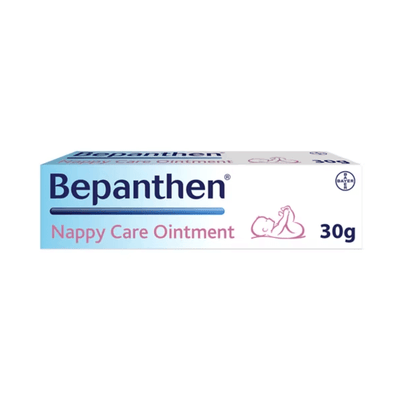
- Recommend a gentle aftercare product like Bepanthen Ointment, which is fragrance-free and supports healing.
Provide clear aftercare instructions and advise clients to contact a healthcare professional if they notice unusual symptoms.
Final thoughts
Patch testing is not just a precaution—it is a vital part of tattoo safety. By making it standard practice, artists protect clients and ensure tattoos remain both safe and meaningful.
When safety is prioritised, tattoos can continue to be celebrated as a beautiful form of personal expression without compromising health.
Shop product