Ink
Ink


 Machines


 Cartridges


 Studio supplies


 Power & batteries


 Aftercare


 Traditional tattooing


 Apprentice


 Piercing & jewellery


 PMU supplies


 New arrivals
 Sale
Sale
 Gift vouchers
 Shop all


 October 24, 2016
-
9 years ago
October 24, 2016
-
9 years ago
Tattooing has been around for centuries, and it is only natural that tattoo styles have evolved over time. From traditional tattoos to modern variations such as the geometric tattoo style, the possibilities are virtually endless.
Despite the changes in tattoo forms, tattoo style guides remain an important tool for aspiring tattoo artists and enthusiasts alike. In this article, we explore some of the most popular tattoo styles to provide a better understanding of the art form.
Why Are Tattoo Styles Important to Tattoo Artists?
Understanding tattoo styles allows tattoo artists to create unique and meaningful designs for their clients. Tattooing is an expression of art, and artists use different styles as a way to express themselves through their creations.
Tattoo styles can be intricate and complex, requiring a high level of skill and precision. Artists often develop their own unique styles based on traditional approaches and modern techniques. By honing their style, tattoo artists can establish a reputation and become renowned for the quality of their work.
Why Should Tattoo Style Matter to Clients?
Tattoo style matters to clients for various reasons. Styles differ greatly in aesthetics, so choosing one that suits individual preferences is important. Clients should carefully consider their desired design and style to ensure their tattoo conveys the intended message.
Different tattoo styles require varying levels of skill and experience. By selecting an artist experienced in their chosen style, clients can ensure their tattoo is executed to the highest standards. For example, a black-and-grey geometric specialist may not be suitable for a full-colour portrait tattoo.
Choosing the right artist also reduces the risk of complications or mistakes that could occur if the tattoo is executed improperly.
Popular Tattoo Styles
Traditional Tattoos
The traditional style is one of the oldest tattooing styles, with a history spanning hundreds of years. Traditional designs feature bold lines, vibrant colours, and iconic imagery such as skulls, roses, and nautical stars.
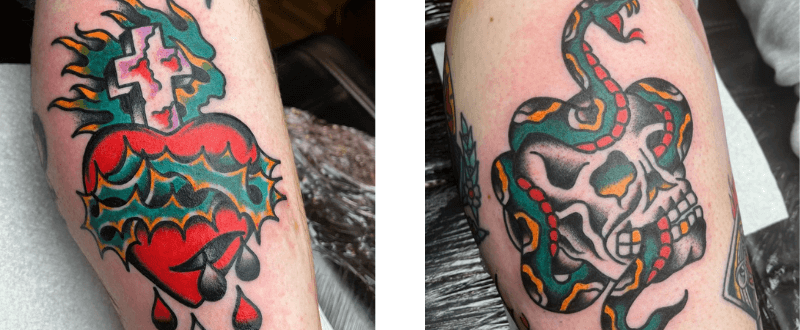
(@davidoneilltattooer)
Artists specialising in this style often create "old school" tattoos. Associated with tattoo culture in the United States, especially the East Coast, these designs are typically large, detailed, and incorporate meaningful themes such as patriotism or tributes to loved ones.
Consider the Radiant Colours Traditional Colour Set for a suitable palette for this style.
Neo-Traditional Tattoos
Neo-traditional tattoos pay homage to traditional tattooing while incorporating modern touches. These designs feature more realism and detail, creating a lifelike effect.
Neo-traditional tattoos employ a greater variety of lines and vivid colours, producing distinctive and timeless pieces.
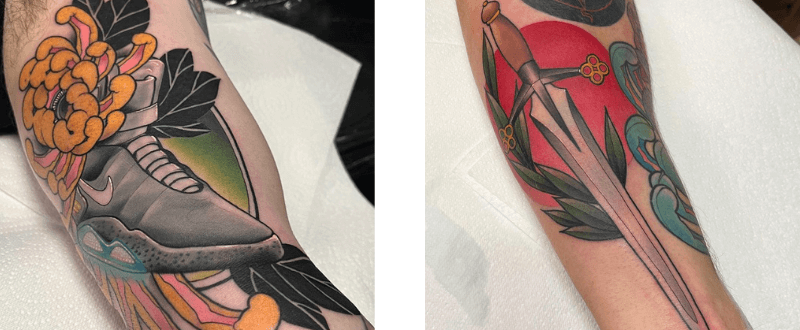
(@theyoul)
While similar to traditional tattoos in using dark outlines and shading, neo-traditional designs incorporate a darker colour palette and often include elements of nature.
Realism Tattoos
Realism tattoos aim to replicate subjects as accurately as possible. They require detailed artwork and precise shading, often using photographs as references.
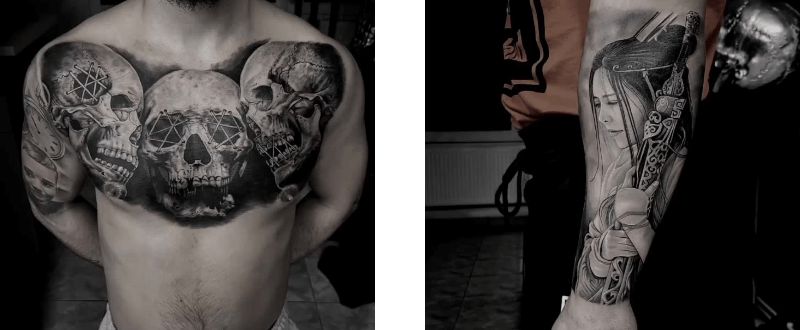
(@hacelladislav)
Artists blend colours and shadows to achieve a three-dimensional effect. This style is ideal for portrait tattoos or designs requiring high realism.
Explore our selection of black and grey inks to create the perfect realism tattoo.
Biomechanical Tattoos
Biomechanical designs often depict robotic parts, conveying the idea of merging man with machine. Common images include gears, pistons, cogs, and screws.
This style typically uses dark lines and shading to achieve a mechanical look and is most often applied to arms, chests, and ribs.
New School Tattoos
New school tattooing emerged in the late twentieth century and remains popular. It is characterised by cartoon-like or pop art-inspired designs, exaggerated features, and bright colours. Surreal elements may also be included to create dream-like effects.
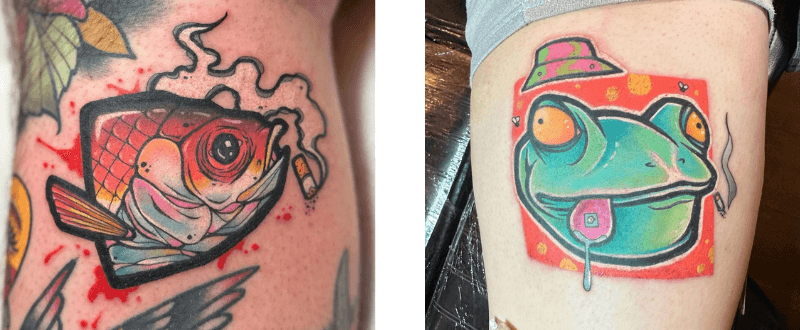
(@matty_roughneck)
New school tattoos often build on traditional designs but use bolder lines and vibrant colours. They are perfect for clients seeking unique, eye-catching tattoos.
Geometric Tattoos
Geometric tattoos feature shapes and patterns such as circles, lines, squares, and triangles. Designs can range from simple to complex.
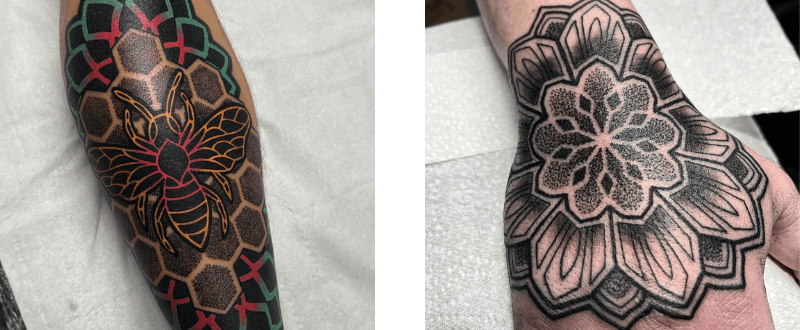
(@tkennedyuk)
This style is popular for its minimalist and symbolic designs, often including mandalas or spiritual symbols. Suitable for both small and large tattoos.
Japanese Tattoos
Japanese tattoos are recognised for bold lines and vibrant colours, often featuring traditional motifs such as dragons, tigers, and koi fish. They can tell stories or express personal beliefs.
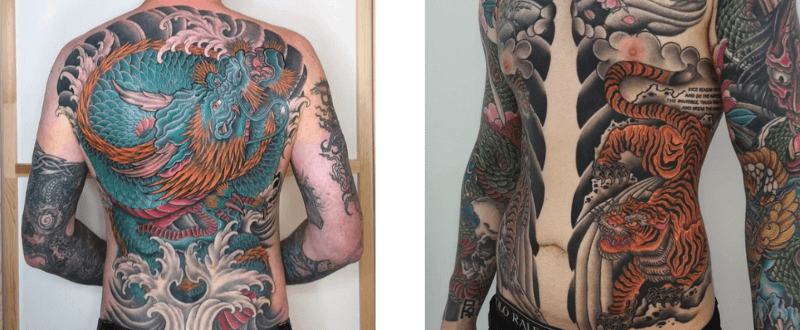
(@dannywildhorses)
For traditional Japanese shades, consider the Intenze Dragon Ink Set.
Tribal Tattoos
Tribal tattoos use bold lines and intricate patterns derived from ancient cultures. They often represent strength, power, or spiritual beliefs and can range from small to striking designs.
Find the perfect black tattoo ink here.
Watercolour Tattoos
Watercolour tattoos are a modern style characterised by soft, muted colour palettes and a painterly, ethereal effect.
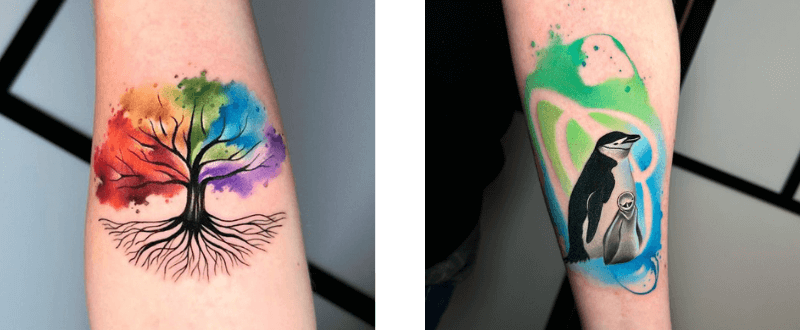
(@noemi_tattoo)
How to Find Your Own Tattoo Style as a Tattoo Artist
Finding your own style requires time, patience, and practice. It involves understanding your strengths, experimenting with techniques, and exploring popular styles worldwide. Artists should create work reflective of their individual style while respecting client wishes.
Start by familiarising yourself with classic styles such as traditional, tribal, and Japanese tattoos. Once comfortable, explore modern styles like watercolour or geometric tattoos to understand trends and client preferences.
Finding the perfect style takes time but is essential for honing your craft, developing as a skilled artist, and creating designs appreciated by both tattooists and clients.
For more ways to practise, see our blog: 'Which Fake Tattoo Skin is the Best?'
Last updated February 2023.
Shop product