Ink
Ink


 Machines


 Cartridges


 Studio supplies


 Power & batteries


 Aftercare


 Traditional tattooing


 Apprentice


 Piercing & jewellery


 PMU supplies


 New arrivals
 Sale
Sale
 Gift vouchers
 Shop all


 April 25, 2023
-
3 years ago
April 25, 2023
-
3 years ago
Opening your own tattoo studio can be an exciting and rewarding venture, but it is also a significant financial investment. There are numerous factors to consider when budgeting for your new tattoo business. From the equipment to rent, licences and permits, labour costs, and marketing expenses, there is a lot to consider before becoming successful in the tattoo industry.
This article will help potential tattoo studio owners understand all of the associated costs so they can make an informed decision before taking the plunge. We’ll cover everything from up-front expenses like purchasing equipment, supplies, and renting space to ongoing expenses such as marketing and utilities.
Additionally, we’ll share tips on how to reduce costs while still providing customers with quality work. Let’s dive in — here’s what you need to know about opening your own tattoo shop.

Upfront costs involved in opening a tattoo shop
Upfront costs are an important part of your tattoo business plan. These include purchasing equipment, supplies, and renting or leasing a suitable studio space.
Tattoo equipment
The cost of tattoo equipment is one of the most significant expenses when opening a tattoo shop. Investing in high-quality tools and furniture ensures both comfort and professionalism.
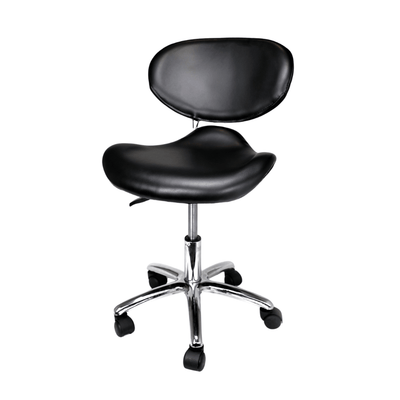
A large portion of the initial budget often goes towards furniture such as chairs, tattoo beds, and workstations. These items help create a safe, comfortable, and professional environment for clients.
We stock a range of tattoo furniture, including TATSoul chairs and tables, ranging from just a few hundred pounds to over a thousand.

Cleaning equipment
Hygiene is essential when opening a tattoo studio. Keeping your space clean protects both you and your clients.
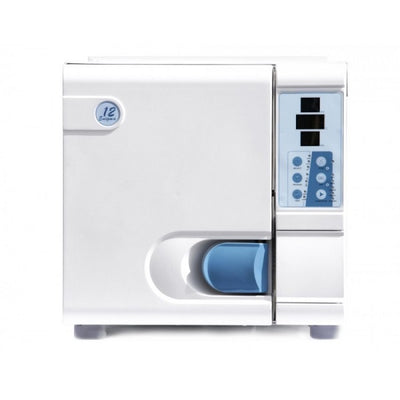
Autoclaves are a must-have if you're not exclusively using disposable equipment. They use heat, pressure, and steam to sterilise reusable tools. While the upfront cost can be significant, they can save money over time.
Maintaining high hygiene standards is not only best practice — it's a legal requirement in the tattoo industry.

Rent
Studio rent is another major expense. Costs vary depending on location, size, and demand. Areas with high foot traffic or near city centres can be more expensive, while more remote or industrial areas may offer lower rental costs.
Additional business costs
UK tattoo studios are required to have a licence from their local authority, usually costing a few hundred pounds depending on location.
Insurance is also essential — including building insurance and public liability insurance to protect against potential claims related to customer safety.
Ongoing tattoo business expenses
After opening your studio, there are continuous costs to maintain operations — including rent, utilities, supplies, labour, and marketing.
Utilities
Electricity, water, waste disposal, and heating can significantly add to overhead costs, especially in busy studios.
Tattoo supplies
Your tattoo machines must be maintained and serviced, and supplies replenished regularly — such as needles and ink.

Labour costs
If your studio employs artists, receptionists, or cleaning staff, labour costs must be budgeted and managed carefully.
Marketing costs
Marketing is essential for attracting clients. This may include social media advertising, website development, and promotions. Tattoo conventions are also a valuable way to build reputation and showcase work.
Tips for keeping costs low
Consider starting with a smaller space and expanding as your client base grows. Shop smart by selecting reliable, high-quality supplies without overspending on unnecessary upgrades.

Final thoughts
Opening a tattoo studio can require a significant level of investment, but with careful planning, budgeting, and research, it is entirely achievable. By shopping smart, prioritising essential equipment, and choosing a suitable location, you can set your tattoo business up for long-term success.
Other helpful articles
Shop product