Ink
Ink


 Machines


 Cartridges


 Studio supplies


 Power & batteries


 Aftercare


 Traditional tattooing


 Apprentice


 Piercing & jewellery


 PMU supplies


 New arrivals
 Sale
Sale
 Gift vouchers
 Shop all


 July 18, 2024
-
2 years ago
July 18, 2024
-
2 years ago
Starting in the body piercing industry can be exciting but also a bit overwhelming. There's a lot to think about, especially when it comes to finding the right supplies. For beginners, figuring out what tools and equipment you need, where to get them, and how to ensure they are safe and of good quality can be confusing.
So, we are here to help. We will break down everything you need to know about essential body piercing supplies in a way that's easy to understand, helping you get set up with confidence.
Is body piercing good for health?
Body piercing is generally safe when performed by a professional using proper techniques and sterile equipment. However, it does carry some health risks, such as infections, allergic reactions, and the potential for scarring.
Choosing a reputable piercer, ensuring that only sterile equipment is used, and following proper aftercare instructions can significantly minimise these risks. It's also important for individuals to consider their health conditions, such as allergies to certain metals, and to discuss any concerns with their piercer before getting a piercing.
Common types of piercings
Piercings are a popular form of body modification, and there are many different types depending on the part of the body being pierced. Here's a look at some of the most common types:
Ear piercings
- Lobe Piercing: The most common type involves the soft lower part of the ear.
- Helix Piercing: Placed along the upper edge of the ear's cartilage.
- Industrial Piercing: Features two holes in the cartilage connected by a single piece of jewellery.
- Tragus Piercing: Located on the small cartilage flap right in front of the ear canal.
- Daith Piercing: Innermost cartilage fold of the ear, sometimes believed to aid in alleviating migraines.
Facial piercings
- Nose Piercings: These can be on the nostril, septum, or bridge.
- Eyebrow Piercing: Typically vertical, near the outer corners of the brow.
- Lip Piercings: Includes various placements around the mouth such as labret (below the lip), Monroe (above the upper lip, to one side), and snake bites (two symmetrical piercings below the lower lip).
Oral piercings
- Tongue Piercing: Usually in the centre of the tongue.
- Frenulum Piercing: This can be done on various web-like folds of skin, including under the tongue and upper lip.
Body piercings
- Navel Piercing: Often placed in or around the belly button.
- Nipple Piercing: This can be done on either or both nipples, usually horizontally.
- Surface Piercings: These can be placed on various flat surfaces of the body and have a higher risk of rejection.
Genital piercings
- Vary significantly between sexes, each with its own types and specific placements.
List of body piercing supplies
1. Piercing needles
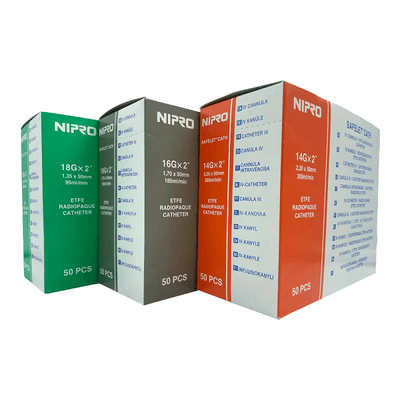
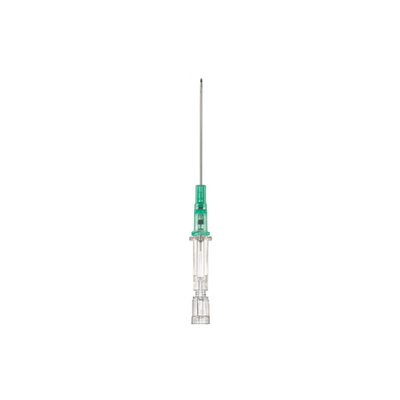
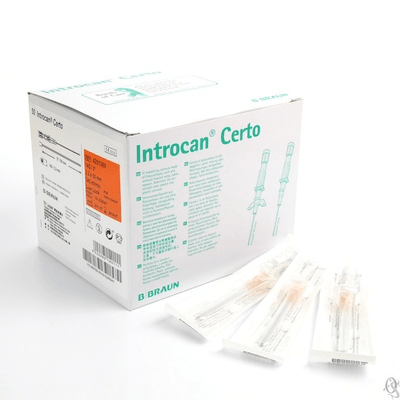
Piercing needles are essential tools in body piercing. They come in various types, including straight, curved, and cannula needles, each designed for specific types of piercings.
The gauge (thickness) and length of the needle are chosen based on the location and nature of the piercing to ensure safety and accuracy. It is crucial to select the appropriate needle type to minimise tissue damage and support the healing process.
Examples of piercing needles:
- Straight needles for earlobe piercings
- Curved needles for eyebrow piercings
- Cannula needles for navel piercings
If you're looking to buy high-quality piercing needles, check out our shop for a wide selection of all types you need!

2. Piercing jewellery
The jewellery used in piercings is made from a variety of materials such as surgical steel, titanium, and bioplast, each offering different benefits. Common types of jewellery include barbells, rings, and studs, which are chosen based on the specific piercing.
Initial jewellery should be carefully selected to avoid allergic reactions and accommodate swelling, with a preference for hypoallergenic materials.
Examples of piercing jewellery:
- Surgical steel barbells for tongue piercings
- Titanium rings for septum piercings
- Bioplast studs for sensitive piercings
For those looking to expand their collection or find the perfect piece for a new piercing, visit our shop to explore our extensive range of high-quality piercing jewellery.

3. Piercing tools
Tools like forceps and clamps are used to stabilise the area and ensure precise needle placement during the piercing process. Dermal punches are specialised tools used for particular types of piercings. Measuring tools are also crucial for selecting the correct jewellery size.
Examples of piercing tools:
- Forceps for holding the skin during a navel piercing
- Dermal punches for cheek piercings
- Calipers for measuring jewellery size
For professionals or beginners, be sure to visit our shop for a comprehensive selection of piercing tools like forceps designed for precision and safety.
4. Sanitation and sterilisation equipment
Sterilisation is paramount in piercing to prevent infections. Autoclaves sterilise jewellery and tools effectively, while disinfectants and sanitisers are used to clean surfaces and skin. It is also essential to use single-use gloves and aprons to prevent cross-contamination.
Examples of sanitation and sterilisation equipment:
- Autoclaves for sterilising jewellery
- Alcohol-based disinfectants for cleaning skin
- Single-use gloves for each piercing session
5. Aftercare products
Proper aftercare is crucial to the healing of piercings. Saline solutions and medicated sprays are commonly used to clean new piercings while healing ointments help soothe the area and accelerate healing.
Examples of aftercare products:
- Medicated ointments for reducing inflammation
- Saline solution sprays for cleaning piercings
For a top-rated saline solution, consider the EASYPIERCING® 50ml Saline Solution, available in our shop. This product is renowned for its efficacy in cleaning piercings gently and effectively.

Legal and health considerations
Regulations on piercing supplies
In the UK, piercing supplies and equipment must meet strict safety and health regulations. These ensure that all tools and jewellery are safe, sterile, and suitable for use. Always source from reputable vendors who comply with these standards.
Certifications necessary for safe piercing practices
- Infection Control Certification: Covers sterilisation techniques and hygiene practices.
- First Aid and CPR Certification: For managing immediate health issues during a piercing session.
- Bloodborne Pathogens Certification: Focused on preventing diseases such as HIV, Hepatitis B, and Hepatitis C.
- Local Authority Licensing: Confirms the studio meets safety standards.
- Environmental Health Officer Approval: Indicates regular inspection and compliance with local regulations.
Choosing suppliers and purchasing tips
Establish your needs
Before purchasing, define what supplies you’ll need — from needles and jewellery to sterilisation equipment and aftercare products. Consider your expected client volume to avoid overstocking.
Choosing reputable suppliers
Select suppliers who follow recognised standards like ISO and ASTM for manufacturing and material safety. Read reviews from professionals and test product quality with small initial orders or samples.
Focus on quality over quantity
Investing in high-quality supplies ensures client safety, reduces complications, and saves money long-term. Durable, safe tools perform better and inspire client confidence.
Establish good relationships
Building good relationships with suppliers can lead to better pricing, consistent supply, and helpful support. Reliable suppliers are key partners for your business success.
Managing inventory effectively
Regular inventory checks help track stock levels and expiry dates. A just-in-time inventory system can reduce costs and keep supplies up-to-date.
Continuous evaluation
Monitor supplier performance, product quality, and customer feedback regularly. If issues arise, don’t hesitate to switch suppliers to maintain high standards.
Final thoughts
Starting your body piercing practice with the right supplies is essential for safety and success. This guide covered everything you need, from sterile needles to high-quality jewellery and aftercare essentials. Remember, good hygiene and proper care are as important as the tools you use — with the right setup, you can confidently offer safe and professional piercing services.
Shop product