Ink
Ink


 Machines


 Cartridges


 Studio supplies


 Power & batteries


 Aftercare


 Traditional tattooing


 Apprentice


 Piercing & jewellery


 PMU supplies


 New arrivals
 Sale
Sale
 Gift vouchers
 Shop all


 July 18, 2024
-
2 years ago
July 18, 2024
-
2 years ago
When considering a blue ink tattoo, it's important to think beyond its beauty. Blue tattoos carry deep meanings, like tranquillity and stability, but there are practical concerns too. Safety, potential allergic reactions, and how the colour lasts over time are key considerations. High-quality ink is essential, and knowing how blue shades will look on your skin is important.
While blue tattoos can be a powerful way to express personal values or connections to culture, they require thoughtful planning to ensure the best outcome and satisfaction.
The symbolism and cultural meanings associated with blue ink tattoo
Blue ink tattoos carry a range of symbolism and cultural meanings that can vary significantly across different contexts and traditions.
Tranquillity and calmness:
Blue is often associated with calmness, peace, and serenity. It is frequently used in tattoos to symbolise a sense of tranquillity or to represent a calming influence in someone's life.
Depth and stability:
The colour blue, particularly in its darker shades like navy or midnight blue, is also associated with depth and stability. It can represent a deep, stable force, such as the sea or the vast expanse of the sky.
Spirituality and healing:
In various cultures, blue is considered a spiritual colour that can offer protection and promote healing. It's sometimes used in tattoos that are intended to be spiritually significant or healing.
Freedom and inspiration:
Lighter blues, such as sky blue, can symbolise freedom, openness, and inspiration. These tattoos might reflect personal aspirations or a sense of liberation.
Loyalty and trust:
Blue is also a colour often linked to loyalty, trust, and truthfulness. It's a popular choice for tattoos meant to signify these qualities in personal relationships or beliefs.
Cultural significance:
In certain cultures, blue tattoos have specific meanings tied to cultural stories and traditions. For example, among the Berbers of North Africa, blue is considered protective, while in some Native American cultures, blue is seen as a sacred colour.
Is blue ink toxic or safe?
Blue ink tattoos are generally considered safe. Most modern tattoo inks, including blue, are made from pigments that meet safety standards for cosmetics and medical devices.
However, it's important to go to a reputable tattoo artist and parlour that follows all safety protocols, including sterilised equipment and high-quality inks.
Some individuals may have allergic reactions to specific ink components, so if you have sensitive skin or allergies, it might be wise to discuss this with tattoo artists and possibly do a patch test before getting a full tattoo.
Types of blue tattoo inks available
- Standard blue: Vibrant, clear blue, versatile across styles, great for large colour blocks or intricate details.
- Midnight blue: Very dark blue, almost black in dim light; adds depth and shadow, ideal for subtle or sophisticated designs.

- Sky blue: Light and airy, reminiscent of a clear sky; perfect for elements like clouds, air, or water.

- Navy blue: Deep, formal shade; perfect for nautical themes or as a strong base colour in multi-shade designs.

- Teal: Blend of blue and green; dynamic, perfect for nature-inspired designs.
- Electric blue: Luminous, striking, ideal for artistic or modern designs.

- Pastel blue: Soft and subtle; ideal for minimalist or blended designs.
- Metallic blue: Glossy, shimmering finish; great for futuristic or three-dimensional designs.
Does a blue ink tattoo last?
Blue ink tattoos are generally long-lasting. They tend to fade slower than lighter colours like yellow or pink. Longevity depends on ink quality, artist technique, tattoo location, and aftercare.
Areas exposed to friction or sunlight may fade faster. Proper care and occasional touch-ups maintain vibrancy and definition.
Components and quality of blue tattoo inks
- Pigments: Give the ink its colour; may include cobalt or copper derivatives for vivid blue shades.
- Carriers: Liquids that dissolve pigments for application; common carriers include distilled water, glycerin, witch hazel, and ethyl alcohol.
- Additives: Enhance ink properties; can include preservatives, brighteners, stabilisers, or ethanol for sterilisation.
Safety and allergy considerations specific to blue inks
- Pigment components: Metal-based pigments can trigger allergic reactions or dermatitis.
- Azo pigments: May break down into harmful compounds like benzidine under UV light or laser removal.
- Regulatory considerations: Some blue pigments are banned in regions like the EU due to safety concerns.
- Allergic reactions: Symptoms can include itching, redness, swelling, or discomfort, immediately or years after tattooing.
How blue ink appears on different skin tones
- Fair skin: Vibrant and true to shade; lighter and darker blues stand out.
- Medium skin: Shows well; mid-tones like true blue or electric blue are vibrant, light blues may be subtle.
- Olive skin: Blues appear slightly warmer; darker blues provide better contrast.
- Darker skin: Vibrancy may be subdued; dark blues like navy or midnight blue are most visible.
Tips for the care and maintenance of blue tattoo ink
- Follow artist’s aftercare instructions during healing.
- Keep moisturised with fragrance-free lotion.
- Apply high-SPF sunscreen when exposed to sunlight.
- Avoid scratching or picking healing tattoos.
- Stay hydrated.
- Consider touch-ups to refresh colour.
- Maintain a healthy diet for skin health.
Final thoughts
Choosing a blue ink tattoo involves careful consideration of symbolism, safety, and appearance on your skin tone. Proper care ensures vibrancy and longevity.
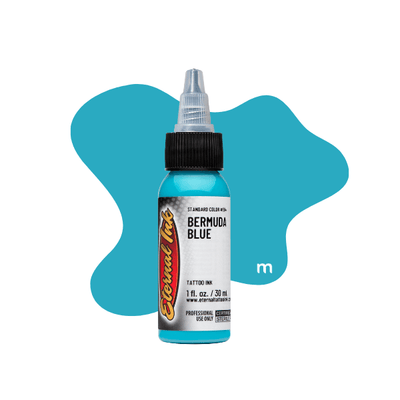
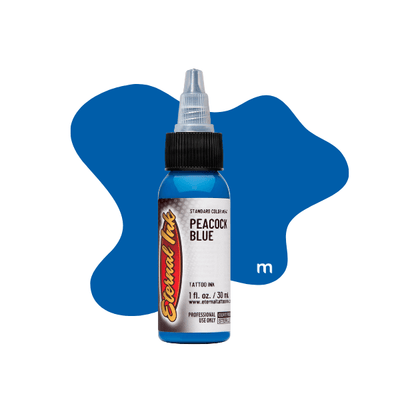
Browse our premium blue tattoo inks to find the perfect shade that meets your aesthetic desires and industry standards.
Shop product