Ink
Ink


 Machines


 Cartridges


 Studio supplies


 Power & batteries


 Aftercare


 Traditional tattooing


 Apprentice


 Piercing & jewellery


 PMU supplies


 New arrivals
 Sale
Sale
 Gift vouchers
 Shop all


 December 01, 2023
-
2 years ago
December 01, 2023
-
2 years ago
Every body art piece starts with a well-crafted stencil, serving as the blueprint for the final tattoo. While tattooing may seem mystifying to the uninitiated, creating the perfect tattoo stencil is an art form.
Achieving precision and detail in your tattoo designs can be a challenge. From struggling with smudged stencils to dealing with intricate designs that seem impossible to transfer flawlessly onto the skin, tattooing has its difficulties.
In this guide, we explore everything you need to know about the ultimate tattoo stencil, from its types and creation methods to crucial considerations for both tattoo artists and clients.
What is the importance of tattoo stencils?
Tattoo stencils are a fundamental and indispensable aspect of the tattooing process, holding significant importance for both the tattoo artist and the client.
Firstly, stencils serve as a blueprint for the design, allowing the artist to represent the desired tattoo accurately and precisely. This ensures that the final artwork matches the client's expectations and helps the artist maintain consistency and symmetry in the design.
Additionally, stencils aid in tattoo placement, ensuring it aligns correctly with the body's contours and proportions. This attention to detail is essential for achieving a visually appealing and well-balanced tattoo. Furthermore, stencils enhance safety by minimising the risk of errors or infections, guiding the artist to adhere to hygiene standards and avoid mistakes.

What is the most effective way to create a tattoo stencil?
The most effective way to create a tattoo stencil is to begin with a high-resolution digital image of the desired design and use software like Adobe Photoshop or dedicated tattoo stencil software to refine and adjust the design as needed. Once satisfied, print the stencil onto thermal stencil paper using a thermal printer or a laser printer.
This method offers precise control over the design, the ability to make adjustments easily, and ensures a clean and detailed stencil. It minimises the risk of errors and provides consistency in the final tattoo, making it a highly effective and preferred approach for many tattoo artists.
Different types of tattoo stencil paper
Hectograph paper
- Ideal for hand-drawn stencils
- Three-layer structure: top layer for drawing, middle layer to prevent sticking, and bottom layer becomes the stencil
Thermal paper
- Compatible with thermal printers and digital images
- Four-layer structure: top layer for design, middle brown layer (onion layer) removed before printing, carbon ink sheet, and protective bottom layer
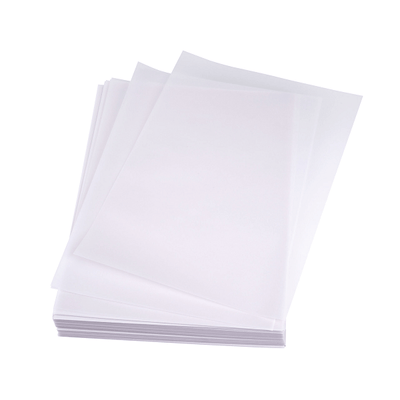
Tracing paper
- Used for freehand drafts
- Single translucent layer with no added backing, onion, or ink sheets

What to look for when buying tattoo stencil paper
Compatibility with your method
Ensure that the stencil paper is compatible with your preferred stencil creation method, whether hand drawing, thermal printing, or digital design.
Quality and durability
Look for stencil paper that is of high quality and durable. It should withstand tattooing without smudging, tearing, or fading.
Ease of use
The stencil paper should allow smooth and accurate tracing or printing of the design without complications during application.
Transfer clarity
Check that the stencil paper produces clear and sharp transfers onto the skin, accurately reproducing the design.
Size and thickness
Ensure the stencil paper suits your specific design and consider thickness—thicker paper may be durable but harder to transfer.
Layer structure
For thermal or hectograph paper, understand the layers and their function, ensuring easy removal and proper printing.
Brand and reputation
Choose stencil paper from reputable brands, read reviews, and seek recommendations from fellow tattoo artists.
Price and quantity
Select packaging sizes and prices that suit your budget without compromising quality.
Compatibility with skin types
Consider whether the stencil paper performs well on the skin types you commonly tattoo.
Environmental impact
For eco-conscious artists, look for stencil papers that minimise environmental impact.

Is it possible to create a tattoo stencil without transfer paper?
Yes, although it's not the most common or recommended method. Freehand tattooing involves drawing directly onto the client's skin using a sterilised pen or marker. This requires high skill and precision, as no stencil guides the tattooing process.
Experienced artists may use this method for custom or intricate designs, but transfer paper or digital methods remain the industry standard due to their precision and consistency.
Conclusion
The tattoo stencil is the foundation upon which every great tattoo is built. Careful consideration, precision, and the right choice of materials ensure an exceptional tattooing experience.
By making informed choices in stencil creation, you can transform your creative vision into a lasting work of art on the canvas of the skin.
Shop product