Ink
Ink


 Machines


 Cartridges


 Studio supplies


 Power & batteries


 Aftercare


 Traditional tattooing


 Apprentice


 Piercing & jewellery


 PMU supplies


 New arrivals
 Sale
Sale
 Gift vouchers
 Shop all


 June 03, 2025
-
1 year ago
June 03, 2025
-
1 year ago
When we say an absolute master of realism works less than 30 minutes away from Magnum HQ, we could only be talking about David Velasco!
David, or Little Crow Tattoo as he is sometimes known, is a proud queer tattoo artist from Liverpool working at the female-owned, fully inclusive and vegan-friendly Hellcat Tattoo in Aigburth.
We spoke to David about overcoming challenges in his career, the benefits of bouldering, and the importance of LGBTQIA+ representation in tattooing.
Where did the inspiration come from for pursuing tattooing as a viable career choice?
Well, I’ve drawn for as long as I can remember and most of that was following my interest in realism and so my biggest inspiration to pursue tattooing was seeing realism in tattooing growing in popularity and being celebrated. Meanwhile, in so many other areas of art it felt like it was almost seen as needless showing off.
My interest in tattoos of course started earlier, watching shows like Miami Ink and LA Ink, but I never thought I’d get to make them one day.
Did you face any challenges in your early tattooing days, and if so how did you overcome them?
Everyone faces challenges, not only finding and making it through an apprenticeship but also, as any other mixed race, queer artist, I of course had to deal with my fair share of homophobia and racism. For a while I didn’t handle it very well, at all! I’d excuse people’s comments, internalised it all and then let this make me fearful of being myself when I went to work.
The old saying, “you never stop coming out” is very true and I’d find myself constantly trying to decide if it was a good idea to “come out” to the client in the chair. Eventually I had to decide to not let it control how I present myself and that if people weren’t okay with me being gay, I didn’t have to tattoo them, and you learn to surround yourself with people who respect LGBTQIA+ people and their rights.
Who or what has been the biggest influence on your tattooing style and technique?
A lot of my style and technique comes from everything I’ve learned through drawing and painting, obsessing over trying to create photorealistic images combined with a love of the loose expressiveness of watercolour, abstract realism and Impressionism.
My favourite subject matter has always been portraits and nature and this drew me to tattoo artists like Thomas Carli Jarlier, Amy Edwards, Freddie Albrighton, Luka Lajoie… the list is endless. I feel like I’ve drawn inspiration from all over the place, so it would be hard to pick one artist. They all inspire you to push yourself and improve.
How has your style evolved over time and are there any subjects or styles you would like to try or do more of?
I used to mainly tattoo black and grey, usually grey wash, just due to this being most of what came through the door, but the more exposure I’ve got and the more my client base has become people who have seen and liked my work before booking in, the more I have moved towards opaque greys and colour.
I’m always trying to grow and improve as an artist, not only in pushing the realism of my work but also how cleanly it’s executed. I’ve enjoyed moving towards bigger, bolder designs and just want to keep on doing it. I’d love to take on more back pieces, but who wouldn’t! Throw in some more movie portraits and pop culture pieces and everything would be coming up Milhouse.

What studio do you currently work at what and why did you choose to move there?
I currently work at Hellcat Tattoo studio in Liverpool, UK. I moved here nearly five years ago, just after the first lockdown. My friend Alessia, Brat Baby Tattoo, told me she was opening her own studio and it was a no brainer really.
Though I loved the studio I worked in before, I’d been the apprentice there and it was just time to spread my wings, as it were. Being at Hellcat has allowed me the freedom to find myself more as an artist and build my client base, while working in a supportive, safe environment with artists and friends I adore.
How do you and the rest of the Hellcat team ensure that the studio is welcoming and inclusive?
As a female-owned, vegan, bright pink, ground floor (for accessibility) studio, with mixed race, LGBTQIA+ people and allies working there, Hellcat is inclusive by default.
But we do our best to get the message out to people who don’t know this, whether through our shop signage, social media and word of mouth saying that everyone is welcome, because knowing there is a safe space out there for anyone worried about being judged or having to deal with micro-aggressions during their tattoo, can make a huge difference.
Can you walk us through your client process from initial consultation to finished tattoo?
Every tattoo is individual and so the process can be a bit different, but usually a potential client messages me or the studio describing what they wanted to get tattooed, any ideas, the placement and size and we can organise a consultation to talk it all through at the studio. This allows me to get some pictures of the placement and make sure we’re on the same page about what they want.
I’ll then get the design ready for the appointment based on everything we’ve talked about. I mainly work in day sessions, with realism being so time consuming, but I do smaller pieces too. If it’s a one-shot tattoo, we’ll be done that day but if not, we’ll get back to it when the client is ready, after at least a month of healing or over back-to-back days for the brave. We’ll take breaks, have lunch, it’s very chill.
After we’ve finished the tattoo process, I’ll take pictures and a couple videos of the tattoo to post in my portfolio, apply some second skin and walk the client through the aftercare process.
For those getting their first tattoo or starting a tattoo apprenticeship, what would be your best advice for them?
For first timers, just know the pain is not as bad as people make out! Make sure you research your artist. Look at their work online, fresh and healed. Also, make sure they do the style you want because we don’t all just do everything, don’t be afraid to ask for recommendations. If you like someone’s work, trust them to do what they do best and know that it’s our jobs to design the tattoos we make.
For people starting apprenticeships, I’d say don’t look for a quick apprenticeship or crash course as this isn’t something that can be learned in a short space of time, tattoos are permanent and a huge responsibility. Stick with it and put the work in, focus on the quality of the tattoos and speed and confidence will follow.

The tattoo brands and products that you simply can’t work without, what are they?
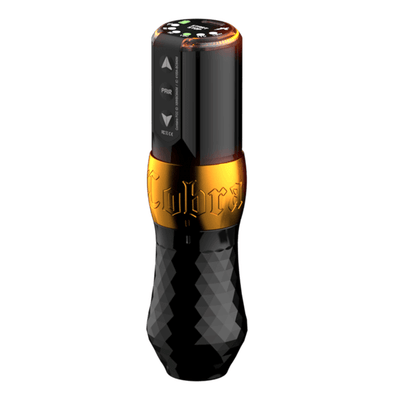
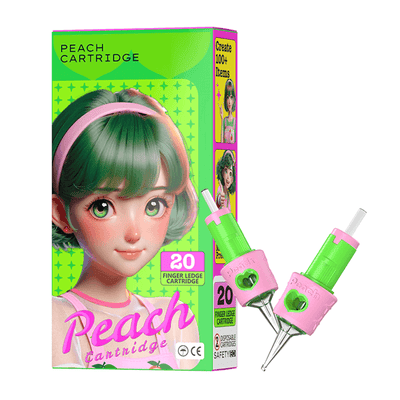
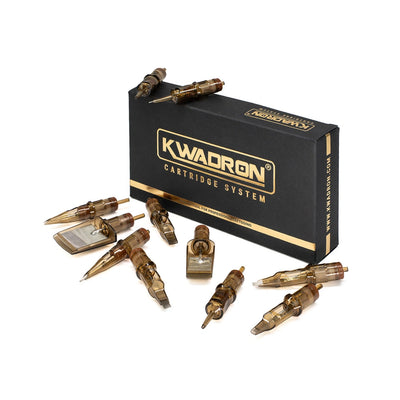
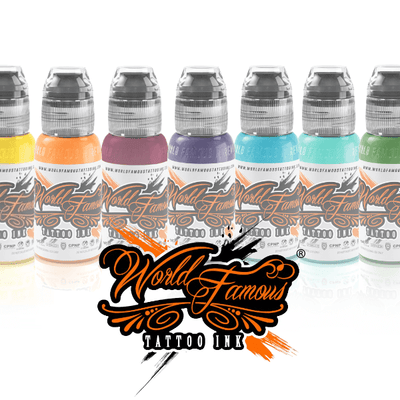
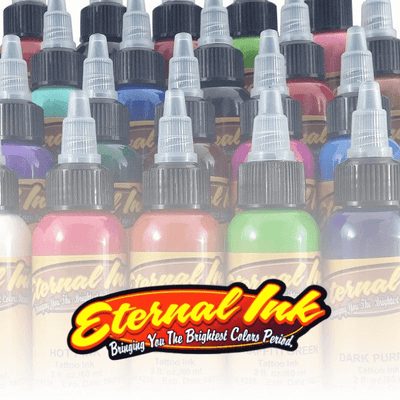
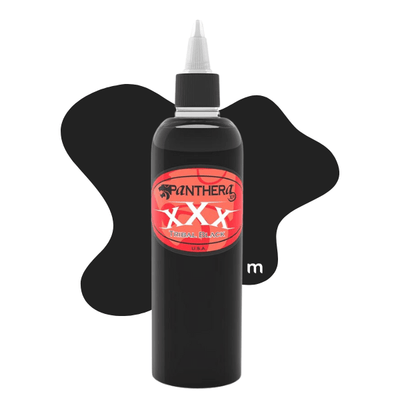
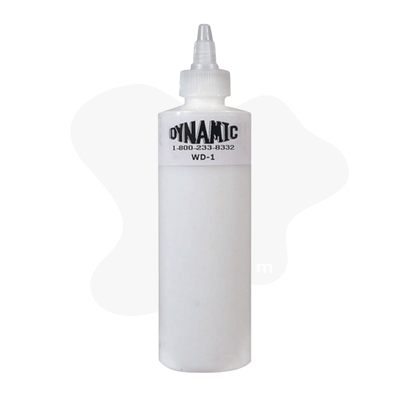
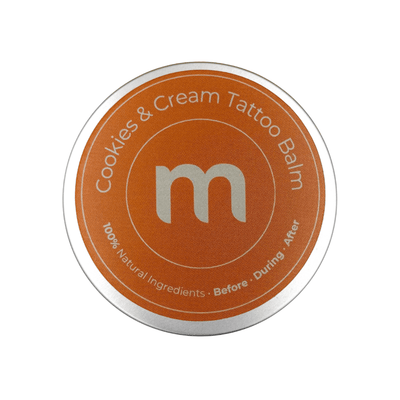
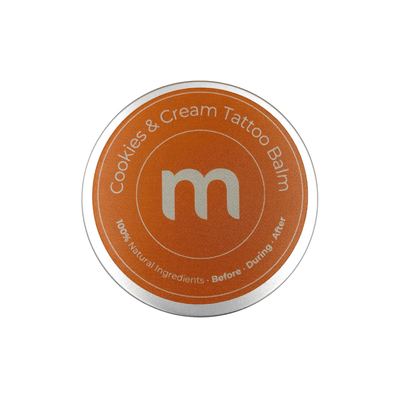
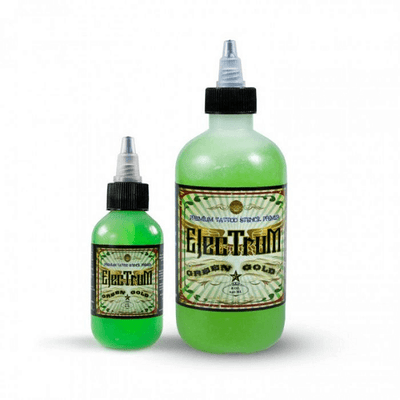
I adore inks by World Famous and Eternal, the consistency of both are perfect for my realism. I need Panthera XXX Tribal Black always and Dynamic’s White ink. My Cobra by InkMachines. I use Kwadron cartridges and have recently been loving Peach cartridges. Magnum’s Cookies and Cream Tattoo Balm has a powerful hold on me, it smells too good! I trust Electrum Stencil Primer to hold my stencils for the whole day and Dermalize Pro to look after the tattoos when they leave.
How important is it to you to work with a vegan set-up?
I mean, it just makes sense, there are amazing vegan alternatives to everything. Why exclude people by using supplies containing animal products or tested on animals?
Even though I’m not vegan myself, it is important to me that everyone feels welcome to get tattooed, so I have a fully vegan set-up and everything we use at Hellcat is vegan, and we advertise this so that people don’t need to worry during their tattoos.
We do miss the smell of Dettol though!
You treated yourself to an InkMachines Cobra recently, how has it taken your work to the next level?
The InkMachines Cobra has been amazing. Being wireless, it’s allowed me to work so much more freely, the battery life has been insane, always making it through the day with plenty of charge to spare. It’s comfortable and well balanced with really low vibration and noise so it makes long hours a lot more enjoyable.
The app is great for tracking your tattoos and machine settings. I’ve loved how consistent and punchy it hits while not being aggressive on the skin. It’s allowing me to focus more on the tattoo process and less on what the machine is doing or where the stupid cable is trailing.
What are you aftercare top tips, especially for looking after tattoos in the sun?
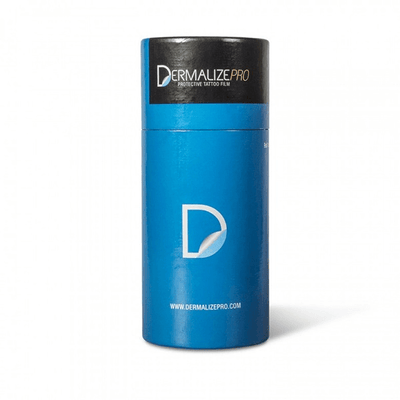
I put Dermalize Pro protective tattoo film on every tattoo, unless the client has an allergy to the adhesive - this stuff is great. I usually suggest that people grab their own roll to change it after 24 hrs and then keep it on for a further 5 days.
After this comes off you just need to apply aftercare cream whenever it looks a bit dry to keep the new skin protected.
Avoid the sun like the plague! Especially true this time of year, it’s important to make sure when you book in that you aren’t going away on holiday soon after your appointment because it will ruin your holiday. You can’t swim for two weeks after your tattoo and should avoid sun exposure for 4-6 weeks. I always wear factor 50 on my tattoos when I’m out in the sun for any length of time and I try to get plenty of shade.
I also say to listen to your body, if you are exhausted the days after your tattoo, rest up! Your immune system is hard at work healing.

As an openly queer tattoo artist, what does Pride Month mean to you personally and professionally?
Pride Month and all the events around it are a chance to get together with my friends and celebrate being who we are and remind ourselves that there is so much love and a strong community of people that may not fit societal norms, but that’s okay. Kind of like the tattoo industry, we’re all kind of misfits.
I love seeing how many of my clients are going to these events; Prides, alternative Prides, protest marches, plays, exhibitions, etc, whether as LGBTQIA+ people themselves or to support their family and friends, and it opens up a dialogue.
It’s usually in Pride Month that I get the most questions about being gay or people ask me about trans people because, let’s face it, the world is kind of obsessed with trans bodies at the minute, just like with gay people in the 80s. It is more important than ever to promote awareness, support and to educate and dispel disinformation spread by the media, designed to promote hate and fear.
Are there specific tattoo designs or themes that become more popular during Pride?
There definitely are and I can usually rely on a number of my customers to get something cute this time of year, whether it’s queer pop culture references or pieces for and with partners and friends.
I would say though, I tend to get to tattoo these kinds of designs year round and a big portion of my LGBTQIA+ client base get such a variety of different tattoos that, while linked to their queer identity because that’s wrapped up into everything that makes them who they are, couldn’t really be described as queer tattoo designs.
How important is LGBTQIA+ representation in the tattoo industry, and what does it look like right now?
Obviously, it’s hugely important in any industry. From my experience and that of friends and other artists and piercers I’ve talked to, the tattoo industry can be quite bro-ey and historically has been quite a straight, cis men’s club. So, visibility and representation of LGBTQIA+ artists can inspire future artists, allow customers to see that there are like-minded tattooers they can feel comfortable with and connect with over designs, and also hopefully educate and normalise acceptance in this industry.
At the minute we’re seeing more and more amazing queer tattoo artists on social media, podcasts, TV and being promoted on blogs like this one. I’d definitely like to say thank you to Magnum for their efforts in promoting queer, female and people of colour in the industry. Also, there are great organisations like Everywhere Is Queer who are devoted to showing how many LGBTQIA+ small businesses are out there and how to find them.
What changes would you love to see in tattooing regarding LGBTQIA+ inclusion and visibility?
While good change is already underway, we live in a very volatile time with growing negative attention on trans people, queer literature and identities, and so it’s not enough for LGBTQIA+ people to be included in events.
I’d love to see tattoo conventions with more of a focus on showcasing the art of queer people, females and people of colour, for example. I’d love to see more tattoo supply companies doing what you guys are doing. I’d love to see more shows and podcasts based around queer inclusivity in tattooing, but also in society as a whole.

How can allies and clients support LGBTQIA+ tattoo artists beyond just this month?
Allies can help by sharing their friend’s work, news of queer events and by attending these events with their friends. If you have your own studio, invite queer friends to guest to promote their work and increase visibility in other cities. Go guest in your queer friend’s studio to share exposure.
By not allowing homophobia and transphobia to go unchecked in the studio you work in or are a customer in you can make a huge difference to a queer person there, and even if it causes some awkwardness, you might just educate someone. I know the artists I work with have stepped in a number of times to defend me and other queer friends and it honestly has meant the world to me.
Outside of the studio, what helps you unwind and decompress after a long day or week of tattooing?
I’ve got an unhealthy obsession with rock climbing and bouldering, as most of the people who are into the sport do. It’s a great way to clear my head, focus on problem solving and it’s also really social. It’s seriously good exercise and stretching, which I find helps a lot in counteracting the prawn-like posture you’ll find most tattooers spending the day in.
I also like to have a strum and a sing with my guitar or play my drums when I get the time. Of course, I love movies and TV and playing video games and hikes at the end of a busy week.
Do you have any conventions coming up this year?
I’ve not got any more booked as of yet, but I had a great time at UKTTA in Birmingham this year and definitely want to do more conventions next year.
I’ve always found them a bit stressful and intimidating, I guess with not doing many of them in my earlier career and maybe some residual anxiety around the bro-ey atmosphere I’ve experienced in the past. I’m learning to relax a bit and enjoy the madness and they really are a lot of fun. I’ve met some lovely artists at conventions, and I was really happy to see the amount of queer artists at UKTTA in Birmingham that there were.
What is next for David Velasco?
What’s next for me, I hope, is to keep on growing as an artist and person. I really want to put myself out there some more and do more conventions, guest spots, opportunities like this blog. As a pretty shy person I’ve never found this very easy and like so many tattoo artists, I didn’t start this job to be an influencer, so I’m going to keep on trying to navigate through this amazing and crazy industry I am so lucky to be a part of.

We want to extend a huge thank you to David for taking part in our interview and going the extra mile with his amazing answers! Please check out his work over on Instagram at @littlecrowtattoo – you will not be disappointed.
Shop product