Ink
Ink


 Machines


 Cartridges


 Studio supplies


 Power & batteries


 Aftercare


 Traditional tattooing


 Apprentice


 Piercing & jewellery


 PMU supplies


 New arrivals
 Sale
Sale
 Gift vouchers
 Shop all


 March 13, 2026
-
6 months ago
March 13, 2026
-
6 months ago
Every tattoo studio in the UK has a legal and ethical duty to protect its clients. That protection starts with the equipment you choose.
Understanding single-use vs reusable tattoo equipment is not just a matter of preference. It is about hygiene, client safety, and compliance with UK regulations.
Some tools can be cleaned and reused with proper sterilisation. Others must be discarded after every session. Get this wrong, and you are not just risking your reputation. You are risking your client's health and your license to operate.
This guide breaks it all down clearly. You will learn which tools must always be single-use, how to sterilise reusable equipment correctly, and what UK standards expect of your studio.
Key Points at a Glance
-
Before diving in, here is a quick summary of what you need to know about single-use vs reusable tattoo equipment.
-
Needles, cartridges, ink caps, and gloves must always be single-use.
-
Reusable tools such as stainless steel grips and tubes require autoclave sterilisation.
-
UK regulations require documented infection control protocols in every registered studio.
-
Mixing up single-use and reusable equipment puts clients and your studio at serious risk.
-
Using quality tattoo hygiene products helps studios stay compliant and professional.
Understanding Single-Use vs Reusable Tattoo Equipment
The core difference is straightforward. Single-use equipment is designed to be used once and then discarded safely. Reusable equipment can be decontaminated and used again, but only after a validated sterilisation process.
The Core Difference Between Disposable and Reusable Tattoo Tools
Disposable equipment eliminates the risk of cross-contamination at the point of use. There is no washing, no autoclaving, and no risk of residual contamination from a previous session. You open it, use it, and dispose of it.
Reusable tools require a defined cleaning pathway. That means pre-cleaning, disinfection, rinsing, and full autoclave sterilisation before they are considered safe to use again.
Not every material can withstand autoclaving. The process would damage some equipment. That is one of the key reasons disposables exist.
Why Your Equipment Choices Shape Studio Safety
Infection control in a tattoo studio is not optional. Bloodborne pathogens, including hepatitis B, hepatitis C, and HIV, can survive on surfaces and equipment.
Using the wrong type of equipment or failing to sterilise reusable tools properly creates a direct route for contamination. Your equipment choices determine your hygiene protocols, your client safety record, and your ability to stay compliant with local authority registration requirements across the UK.
Single-Use Tattoo Equipment in Professional Studios
The shift toward disposable tattoo supplies in UK studios has grown significantly over the past decade. Artists now have access to high-quality single-use equipment that matches or exceeds the performance of traditional reusable alternatives.
Common Single-Use Tattoo Hygiene Products
The following are standard single-use items used in professional UK studios.
- Tattoo needle cartridges: sterile, individually packaged, and designed for one use only.
- Disposable grips: pre-sterilised grips that eliminate grip cleaning between clients.
- Ink caps and rinse cups: single-use holders for ink and rinse water.
- Nitrile gloves: worn throughout every session and changed between clients.
- Barrier film and machine bags: protect equipment surfaces from cross-contamination.
- Clip cord covers and grip sleeve covers: disposable covers for cables and grip areas.
- Disposable razors and skin markers: single-use prep items that must not be shared.
Every single-use item must come in sterile, sealed packaging. Do not use any product if the packaging is damaged or compromised.
Cartridges: Hygiene Built Into the Design
Tattoo cartridges have transformed needle hygiene in the modern studio. Each cartridge is individually sterilised, membrane-protected, and engineered to prevent ink backflow.
Cartridges are single-use by design. They must never be reused between clients or sessions.
Magnum Premium Grade Cartridges are available in a full range of configurations. They are sold in boxes of 10 and are trusted by professional artists across the UK for consistent performance and sterile, ready-to-use convenience. Available at Magnum Tattoo Supplies.
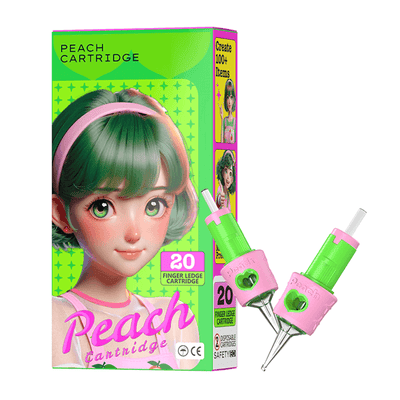
Peach Tattoo Cartridges are another reliable choice for artists who want precision and quality in a single-use format. A popular option among UK tattooists, Peach cartridges are stocked across multiple configurations on the Magnum website.
Nitrile Gloves: Non-Negotiable Protection
Gloves must be worn throughout every tattoo session without exception. They must be changed between clients, and anytime contamination may have occurred.
Nitrile is the recommended material because it is latex- and powder-free and resistant to punctures and tearing during long sessions.
Magnum Black Nitrile Gloves are a dependable studio staple. Made from high-quality nitrile and available in sizes XS to XL, they are latex-free, silicone-free, powder-free, and built for long sessions without thinning or tearing. Available in boxes of 100 from Magnum Tattoo Supplies.
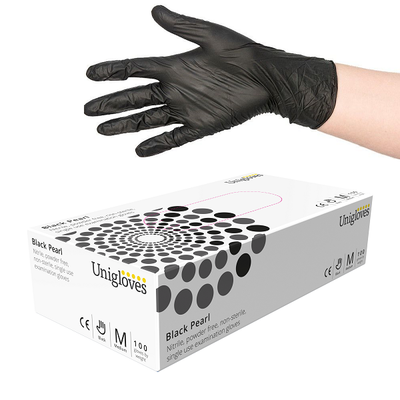
Unigloves Black Pearl Nitrile Gloves are produced specifically for the tattoo industry. They offer exceptional resistance to cuts, tears, and abrasions, with a powder-free construction to minimise the risk of contamination. A premium choice for studios that do not cut corners on protection.
Reusable Tattoo Equipment and Sterilisation Requirements
Not every item in your studio needs to be disposable. Some equipment is designed for repeated use, provided it is properly decontaminated between each session. The keyword here is correctly.
What UK Compliance Requires for Reusable Tools
In the UK, local authorities require that any reusable tattoo equipment that comes into contact with the client or their skin be sterile at the point of use.
Surface disinfection alone does not achieve sterilisation. Wiping down a stainless steel grip is not enough. Only a validated autoclave cycle provides the level of decontamination required for instruments that may come into contact with blood or broken skin.
Autoclave Sterilisation for Tattoo Tools
An autoclave uses pressurised steam at high temperature, typically 134 degrees Celsius, to destroy bacteria, viruses, and spores. It is the only validated method for sterilising reusable tattoo instruments.
Items must be packaged in heat-seal pouches before autoclaving. These pouches include indicator strips that change colour to confirm the item has completed a sterilisation cycle.
Once sterilised, items must be stored in their sealed pouches in a clean, dry environment. Do not open pouches until immediately before use.
How to Sterilise Reusable Tattoo Equipment Step by Step
1. Pre-clean: Remove visible debris using an enzymatic cleaner or ultrasonic cleaner.
2. Rinse: Rinse thoroughly with clean water to remove all cleaning agents.
3. Inspect: Check each item for damage or wear. Do not sterilise damaged equipment.
4. Package: Seal items in validated heat-seal autoclave pouches.
5. Autoclave: Run the correct sterilisation cycle per the manufacturer's instructions.
6. Verify: Check that indicator strips have changed colour to confirm a successful cycle.
7. Store: Keep sealed pouches in a clean, dry area until ready for use.
Which Tattoo Equipment Must Always Be Single-Use?
It is the question many artists want a clear answer to. Here it is. The following items must always be single-use in every registered UK tattoo studio.
Items That Must Never Be Reused
- Needles and cartridges: anything that penetrates the skin must be disposed of after every session.
- Ink caps: once ink is poured, the cap is contaminated. Discard it after the session without exception.
- Nitrile gloves: change between every client and whenever contamination may have occurred.
- Disposable grips and tubes: where single-use grips are in use, they must not be reused.
- Razor blades: used for shaving before a session. Single-use and disposed of in a sharps container.
- Skin markers and stencil applicators: must not be shared between clients.
- Barrier film: replaced between every client without exception.
- Machine bags and cord covers: replaced between every client.
Why Single-Use Equipment Breaks the Chain of Contamination
Starting each session with sterile, sealed products eliminates the possibility of residual contamination from previous sessions.
It is especially critical for ink caps. Even if a tattoo ink bottle is sealed and labelled, any ink poured into a cap during a session is considered contaminated. That cap, and any unused ink in it, must be disposed of after the session. Never pour leftover ink back into the bottle.
Cross-Contamination Risks in the Tattoo Studio
Cross-contamination happens when pathogens are transferred from one surface, person, or piece of equipment to another. In a tattoo studio, the consequences can be serious for both clients and artists.
Common Cross-Contamination Risks to Watch For
Cross-contamination often occurs through everyday studio actions that go unchecked. Common risks include touching contaminated surfaces with gloved hands and then touching clean equipment, allowing blood or ink to contact unprotected surfaces, and reusing single-use items under any circumstances.
Even reaching for a product bottle mid-session while wearing a contaminated glove poses a risk. It is why proper zoning, touch-free dispensing, and pre-prepared setups matter so much.
Building a Setup That Prevents Contamination
Prepare your setup before the session begins. Everything you will need should be within reach and protected with barriers before the client sits down. Once the session is underway, avoid touching anything that is not barrier-protected without changing gloves first.
Use spray bottles with barrier covers for all liquids. Use pre-portioned ink caps. Avoid double-dipping needles into stock bottles. These habits protect everyone in the room and are non-negotiable in a compliant studio.
Tattoo Equipment Safety Standards in the UK
All UK tattoo studios are required to register with their local authority. As part of that registration, studios must demonstrate that they have adequate infection-control protocols in place, including proper management of single-use versus reusable tattoo equipment.
What UK Standards Require
Key safety requirements include the use of single-use needles and cartridges, validated sterilisation of reusable instruments, written infection control policies, and appropriate waste disposal, including sharps disposal in approved containers.
Your local authority environmental health team can provide specific guidance for your area. Requirements can vary slightly between council areas, so always check with your licensing authority directly.
Keeping Compliance Consistent Day to Day
Day-to-day compliance comes down to consistent habits. You need the right tattoo hygiene products on hand, proper waste disposal processes, and a team that understands the difference between cleaning, disinfection, and sterilisation.
Butterluxe Studio Clean Disinfectant Concentrate is a staple for maintaining a sterile environment, offering a high-performance formula that eliminates bacteria and viruses from all non-porous surfaces. Its concentrated nature makes it a cost-effective solution for deep-cleaning workstations, chairs, and flooring, ensuring your studio remains clinically clean and inviting for every client.
For rapid, hospital-grade disinfection between sessions, Clinell Universal Wipes and Sprays provide an industry-leading defence against cross-contamination. These products are designed to kill 99.99% of pathogens in seconds, making them perfect for wiping down equipment, armrests, trays, and surfaces. Having these trusted hygiene essentials readily available at your station ensures that your sanitation protocols are as efficient as they are effective.
Conclusion
Getting your approach right for single-use vs reusable tattoo equipment is one of the most important parts of running a compliant, professional studio in the UK.
Single-use items must never be reused, regardless of whether they look clean. Reusable tools must undergo validated autoclave sterilisation every time. And your tattoo hygiene products, from barrier film to green soap to disinfectants, should be part of a consistent, documented infection-control routine.
Keep your protocols clear. Keep your equipment stocked. Keep your clients safe. That is what professional tattooing looks like.
Magnum Tattoo Supplies stocks everything you need to stay compliant and professional, from Magnum Premium Grade Cartridges and Peach Tattoo Cartridges to nitrile gloves, barrier film, and sanitising spray. All available with next-day UK mainland delivery on orders over £99.
FAQs
Is single-use equipment required in tattoo studios in the UK?
Yes. UK local authority regulations and infection control guidance require that any equipment that penetrates the skin, including needles and cartridges, be single-use and sterile. It is non-negotiable for any registered tattoo studio.
How do tattoo studios sterilise reusable equipment?
Reusable instruments are sterilised in an autoclave using pressurised steam at 134 degrees Celsius. Items must be pre-cleaned, packaged in validated heat-seal pouches, and processed through a full autoclave cycle before storage or reuse.
What tattoo equipment must be single-use in a UK studio?
Needles, cartridges, ink caps, nitrile gloves, barrier film, machine bags, clip cord covers, disposable grips, razor blades, and skin markers must all be single-use. These items come into contact with the client or contaminated surfaces and cannot be safely reused.
Are reusable tattoo tools safe when properly sterilised?
Yes, when sterilisation is performed correctly using a validated autoclave. Items such as stainless steel grips and tubes are considered safe for reuse when the process is documented, verified with indicator strips, and completed before every session.
How do tattoo studios prevent cross-contamination?
Studios prevent cross-contamination by preparing setups in advance, using barrier film on all surfaces and equipment, changing gloves whenever contamination may have occurred, using single-use items wherever required, and never reusing needles, cartridges, or ink caps.
Shop product